

What are the Best Sabiki Rigs? A Complete Guide for Anglers
Are you searching for the best sabiki rigs to maximize your bait fishing success? Most sabiki rigs are pre-assembled, easy to use, and are an essential tool for catching live bait such as squid, herring, and minnows. Whether you’re a beginner just starting out or an experienced angler looking to refine your technique, choosing the right sabiki rig can make all the difference in your fishing results. This article is designed for both novice and seasoned anglers who want to catch more baitfish efficiently and with less hassle. While catching more baitfish is important, targeting big fish is often the ultimate goal—sabiki rigs help anglers bridge the gap from catching baitfish to locating and catching big fish. We’ll cover the top sabiki rigs on the market, explain why selecting the right rig matters, and provide practical tips for using, maintaining, and storing your sabiki rigs. By the end, you’ll know exactly which sabiki rig suits your needs and how to use it for the best results.
To help you quickly find the best options, we’ll start with a summary table and detailed recommendations for the top sabiki rigs. Then, we’ll dive into what a sabiki rig is, how to use it, and everything else you need to know for successful bait fishing. Snag the rigs on Amazon
Introduction to Sabiki Rigs
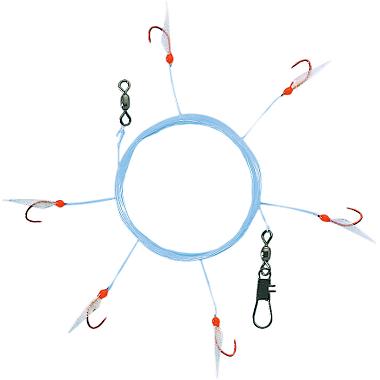
Sabiki rigs have become a staple in the tackle boxes of fishing lovers everywhere, thanks to their unmatched efficiency in catching multiple baitfish at once. A typical sabiki rig features a mainline with several small hooks attached to branch lines, each hook often adorned with enticing materials like real fish skin or luminous fishing head lures. These features are designed to mimic the appearance and movement of tiny bait, making the rig irresistible to a variety of freshwater and saltwater species.
Whether you’re targeting threadfin herring, catching mackerel, or simply looking to fill your bait tank with live bait for bigger fish, a sabiki rig is the go-to choice. The luminous fishing head and fish skin accents help attract fish even in low-light conditions, while the multiple hooks allow you to catch several small fish in a single drop. This makes sabiki rigs especially effective for anglers who want to maximize their time on the water and ensure they have plenty of bait for targeting larger saltwater species.
With their simple yet effective design, sabiki rigs are perfect for both beginners and experienced anglers. The branch line setup helps reduce tangles and increases your chances of landing multiple baitfish, making every fishing trip more productive and enjoyable.
Best Sabiki Rigs for Catching Bait Fish
Choosing the right sabiki rig can significantly enhance your bait fishing experience. Sabiki rigs are an essential tool for catching live bait while kayak fishing, and sabiki hooks are specifically designed for baitfish and small catch, making them ideal for kayak anglers.
Below is a quick comparison chart of the top sabiki rigs for easy reference, followed by detailed recommendations. Using a sabiki rod can help manage multiple hooks and prevent tangling, especially in the limited space of a kayak.
While sabiki rigs are designed for light fishing, anglers should be aware that they can sometimes attract larger sport fish unexpectedly.
Quick Comparison Table: Top Sabiki Rigs
Sabiki Rig Name | Best For | Key Features | Hook Material | Special Features |
|---|---|---|---|---|
Hayabusa Mix Flasher Sabiki Hot Hooks | All-around, saltwater | Mimics krill/shrimp, flashy, durable | Carbonated steel | Fluorocarbon line, strong hooks |
Skipaelf Sabiki Rigs Set | Surf fishing, variety | 20 packs, sharp hooks, soft shrimp lures | High-carbon steel | High catch rate, value pack |
Black Anchor 2-Pack Floating Saltwater Dehooker Rigs | Saltwater, easy release | Floating dehooker, high-carbon hooks, durable | High-carbon steel | Floating dehooker, easy handling |
NA 8 Packs/40 Hooks Luminous Sabiki Rigs | Low-light conditions | Luminous heads, multiple sizes, versatile | Steel | Glows in dark, multi-size pack |
Fishing Rigs, Saltwater Bait, Lures, and fishing rod and reel | Mackerel, realism | Fish skin & feathered hooks, realistic movement | Steel | Mimics baitfish, feathered hooks |
Top Recommendations
Hayabusa Mix Flasher Sabiki Hot Hooks: Crafted to mimic krill, shrimp, and other small insects, these rigs feature high-quality carbonated steel hooks and a fluorocarbon-based monofilament line for strength and durability. The flashy materials and robust construction make them a top choice for serious anglers.
Skipaelf Sabiki Rigs Set: This set includes 20 packs of bait rigs, each with sharp hooks and soft shrimp lures. Designed for surf fishing, they’re highly effective for a variety of bait fish species and offer great value.
Black Anchor 2-Pack Floating Saltwater Dehooker Sabiki Rigs: Ideal for saltwater fishing, these rigs come with a floating dehooker for easy hook removal. High-carbon hooks and a durable line ensure they withstand tough saltwater conditions.
NA 8 Packs/40 Hooks Luminous Sabiki Rigs: Designed with luminous fishing head lures, these rigs attract bait fish even in low-light. Multiple sizes make them versatile for both freshwater and saltwater.
Fishing Rigs Saltwater Bait Lures: Featuring fish skin and feathered hooks, these rigs closely mimic bait fish, making them especially effective for mackerel and similar species.
By selecting the right sabiki rig for your specific fishing needs, you can significantly improve your efficiency and success rate in catching bait fish. Next, let’s explore what a sabiki rig is and why it’s such a valuable tool for anglers.
What is a Sabiki Rig?
A Sabiki Rig is a specialized type of fishing tackle designed for catching baitfish, but it’s also effective for various smaller fish species. This rig typically consists of a mainline with a series of small, decorated hooks attached using dropper lines (short lines branching off the mainline). Each hook is adorned with materials like beads, feathers, or fish skin to attract fish. Most sabiki rigs are pre-assembled, easy to use, and are popular among anglers worldwide for baitfish angling.
Technical Term: Dropper LoopA dropper loop is a knot used to create a loop in the fishing line, allowing you to attach hooks or lures at intervals along the mainline. Learn how to tie a dropper loop.
Fishing bait rigs, including various types of sabiki rigs, come in different pack options and feature luminous qualities, various hook types, and are suitable for both saltwater and freshwater. Some use a fluorocarbon leader for better invisibility in water. The number of hooks can vary, but they’re spaced out to allow for the simultaneous catch of multiple fish. Using a heavier weight with a sabiki rig helps keep the line taut and prevents tangles when catching baitfish. The primary goal is to efficiently catch baitfish, which are then used as live bait for larger predatory fish. Anglers favor this rig because it mimics a small school of fish, making it highly attractive to baitfish.
Technical Term: Terminal TackleTerminal tackle refers to the gear attached to the end of your fishing line, such as hooks, sinkers, swivels, and rigs like the sabiki.
The use of a sabiki rig can significantly enhance your fishing experience by providing a quick and effective method for securing live bait, thereby increasing your chances of catching larger game fish. Anglers, from beginners to experienced, seek out this information to optimize their fishing techniques and success rates.
The sabiki rig, with its unique design and application, stands out in the fishing community for its utility and effectiveness, making it a crucial tool in the angler’s arsenal for both bait fishing and targeting a broader range of fish species.
Definition and Purpose
A Sabiki Rig is a specialized fishing technique originating from Asia, also known as a flasher rig. It’s ingeniously designed to catch multiple baitfish simultaneously, making it a favorite among anglers looking to gather live bait efficiently. The rig consists of flies attached to a branch line, each hook featuring a flattened end that reflects light, mimicking the shimmer of small fish. The branch line, made of stiff monofilament, extends away from the mainline, reducing the chances of tangling and collisions among the baitfish.
The primary purpose is to catch multiple baitfish at once, streamlining the process of gathering live bait. The materials used in the hooks often act as a baitfish attractant, enhancing the rig’s effectiveness. This efficiency is particularly beneficial for anglers who need a steady supply of baitfish for larger predatory fish. The design keeps the hooks away from the angler, making it an excellent choice for kayak fishing and other scenarios where space is limited. Whether you’re fishing in freshwater or saltwater, a sabiki rig proves effective for a variety of species, including mackerel, herring, and minnows.
When selecting a sabiki rig, consider the type of fishing you’ll be doing, the size of the baitfish you aim to catch, and the species you plan to target with the bait. Different rigs are tailored for specific environments and fish sizes. For instance, some are designed for smaller baitfish like minnows, while others are built to handle larger baitfish such as sardines.
Quality is another important factor. Look for sabiki rigs made with high-quality materials, such as high-carbon fishing hooks and fluorocarbon filament. These materials ensure durability and can withstand the rigors of fishing, providing a reliable and long-lasting tool in your fishing arsenal.
In summary, sabiki rigs are a versatile and effective method for catching live bait, suitable for various fishing environments. By choosing the right rig for your specific needs, you can enhance your fishing experience and increase your chances of a successful catch.
Transition:
Now that you understand what a Sabiki Rig is, let’s look at how to use it effectively.
How Do You Use a Sabiki Rig?
Using a sabiki rig involves a few key techniques to maximize its effectiveness for catching baitfish. For the best results, let multiple fish bite before reeling in—this can help you catch more fish, as the competitive environment encourages more bites and can even attract larger fish. Here’s a step-by-step guide to help you get started.
After you have mastered the retrieval techniques, remember: when you feel a bite, avoid jiggling or ripping too hard. This helps prevent losing the fish or tangling the rig, ensuring a smoother and more successful catch.
Step 1: Attaching the Rig
Attach the sabiki rig to your main fishing line using a dropper loop or a swivel.
Dropper loop: A knot that creates a loop in your line for attaching hooks or rigs. Learn more.
Using a swivel helps prevent line twisting, which is common with multi-hook setups.
Step 2: Adding Weight
Attach a suitable weight to the bottom of the sabiki rig.
Choose a weight that allows the rig to move naturally in the water. Too heavy a weight can affect presentation.
Step 3: Casting Techniques
Cast the sabiki rig into areas where baitfish are likely to congregate, such as near piers, underwater structures, or shallow bays.
Step 4: Retrieval Techniques
Retrieve the rig slowly and steadily.
This mimics the movement of a small school of fish, making the rig more attractive to baitfish.
Step 5: Handling the Catch
Once baitfish are hooked, carefully reel in the rig and remove the fish using a dehooker or pliers to avoid injury from the multiple hooks.
Transition:
With these steps, you’re ready to start catching baitfish efficiently. Next, let’s break down the components that make up a sabiki rig.
What are the Components of a Sabiki Rig?
A sabiki rig is comprised of several key components, each designed to maximize its effectiveness in catching baitfish. Sabiki hooks are a key component of the rig, specifically designed for baitfish and small catch. Here’s what you’ll find on a typical rig:
Hooks
Small, Sharp, High-Carbon Fishing Hooks: Multiple per rig, designed for easy penetration and a firm hold on baitfish.
Beads
Reflective or Luminescent Beads: Attract fish by mimicking the shimmer of small fish or plankton.
Line
High-Quality, Durable, and Thin Line: Usually monofilament or fluorocarbon, strong enough to handle multiple fish but thin for minimal visibility.
Transition:
Understanding the components helps you choose and maintain your rig. Now, let’s discuss when to use a sabiki rig for the best results.
When Should You Use a Sabiki Rig?
A sabiki rig is most effective for:
Catching bait fish such as herring and sardines, which are essential for attracting larger predatory fish. Baitfish are often found near structures like jetties, docks, and under bridges, which are easily accessible by kayak.
Saltwater fishing, especially from piers or boats where schools of baitfish congregate.
Targeting small pelagic species such as small tuna, as sabiki rigs are also effective for catching these fish.
Its efficiency in capturing multiple baitfish simultaneously saves time and provides a cost-effective alternative to purchasing live bait.
Best Situations for Sabiki Rigs
Catching Baitfish Like Herring and Sardines: These smaller fish are a primary food source for larger species. The sabiki rig’s design mimics a school of fish, making it highly effective.
Saltwater Fishing from Piers or Boats: Perfect for environments with large schools of baitfish.
Transition:
Now that you know when to use a sabiki rig, let’s look at the benefits it offers.
What are the Benefits of Using a Sabiki Rig?
Using a sabiki rig offers several advantages:
Efficiency: Catch multiple baitfish at once, saving time and effort.
Cost-Effective: Reduces the need to buy live bait, saving money over time.
Highly Attractive: Mimics a school of fish, increasing your chances of a successful catch.
Versatile: Suitable for both freshwater and saltwater environments.
Transition:
To get the most out of your sabiki rig, it’s important to avoid common mistakes. Let’s review what to watch out for.
What are the Common Mistakes to Avoid When Using a Sabiki Rig?
Avoid these pitfalls to maximize your success:
Using Too Heavy a Weight: Can affect the natural presentation and reduce effectiveness.
Improper Attachment: Not using a swivel or tying the rig incorrectly can cause line twisting.
Not Changing Rigs When Hooks Are Dull: Dull hooks reduce your catch rate; inspect and replace as needed.
Poor Handling: Mishandling the rig can lead to tangles or injury from multiple hooks.
Transition:
Now that you know what to avoid, let’s discuss how to choose the right sabiki rig for your needs.
How Do You Choose the Right Sabiki Rig?
Selecting the right sabiki rig depends on:
Size of the Hooks Based on Target Baitfish Size
Smaller hooks: Ideal for tiny baitfish like minnows.
Larger hooks: Better for bigger baitfish such as sardines or herring. Not sure what size hook to use for fluke? Check out our guide.
Type of Fish Targeted: Match the Hatch
Match the Hatch: Choose rigs with bead colors, feather patterns, and materials that resemble the local baitfish.
Match the hatch means selecting lures or rigs that imitate the natural prey of your target fish. Read more about match the hatch.
Transition:
Once you’ve chosen your rig, it’s important to be aware of additional considerations, such as legal regulations and safety.
Durability and Strength of Sabiki Rigs
When it comes to choosing the best sabiki rig, durability and strength are key factors that can make or break your fishing experience. High-quality sabiki rigs are built to withstand the rigors of repeated use and the powerful pulls of multiple fish. Look for rigs crafted with high carbon steel hooks, which offer superior resistance to corrosion and maintain their sharpness even after landing several fish.
The strength of the sabiki rig’s construction is equally important. A sturdy rig should feature a robust mainline and secure branch lines, ensuring that the entire setup can handle the weight and struggle of multiple fish without snapping or tangling. Materials like fluorocarbon filament not only add to the rig’s durability but also provide abrasion resistance, making them ideal for both freshwater and saltwater environments.
By investing in a sabiki rig known for its strength and resilience, you’ll be able to fish with confidence, knowing your gear can handle the demands of catching multiple fish at once.
Reputation of the Manufacturer
Selecting a sabiki rig from a reputable manufacturer is a smart move for any angler who values quality and reliability. Well-established brands have a proven track record of producing sabiki rigs that are not only effective but also safe and long-lasting. Companies like Hayabusa and Black Anchor are renowned for their commitment to excellence, offering a range of sabiki rigs designed to meet the needs of different fishing styles and target species.
When you choose a sabiki rig from a trusted manufacturer, you benefit from years of expertise and innovation in fishing tackle design. These brands use high-quality materials and rigorous quality control processes to ensure that every rig performs at its best, whether you’re fishing for bait or targeting a variety of fish species. Relying on a reputable manufacturer gives you peace of mind, knowing that your sabiki rig will deliver consistent results and stand up to the challenges of the water.
Additional Considerations for Sabiki Rig Use
Legal Regulations in Certain Waters
Some areas have restrictions on the number of hooks, hook size, or type of bait. Always check local fishing laws to ensure compliance.
Safety Measures to Prevent Hook Injuries
Use gloves and handle rigs carefully to avoid injury from multiple hooks.
Store rigs in containers or use hook guards when not in use.
Transition:
Proper maintenance and storage will keep your sabiki rigs in top condition. Let’s cover how to care for your rigs.
Maintenance and Storage of Sabiki Rigs
Proper care extends the life of your sabiki rigs and ensures safety.
Cleaning and Drying
Rinse rigs thoroughly with fresh water after each use to remove salt, bait residue, and debris.
Dry completely before storage to prevent rust, especially on hooks and swivels.
Proper Storage
This prevents accidental injury and keeps your rigs ready for your next fishing trip.
By following these tips and choosing from the best sabiki rigs listed above, you’ll be well-equipped for a successful and enjoyable bait fishing experience—no matter your skill level!