


Spinning Rod Vs. Casting Rod
Spinning Rod vs Casting Rod: An Introduction to Fishing Rods
Fishing rods are essential tools for anglers, with spinning rods and casting rods being the most popular types, each designed for specific fishing techniques and applications.
When going fishing, choosing the right gear is critical, and selecting the correct rod plays a major role in overall success. The best choice of rod often depends on the angler’s skill level, target species, and specific fishing situation. When comparing spinning rods vs casting rods, it is important to understand that they are two different rod designs built to perform particular fishing styles.
Understanding the differences between spinning and casting rods is crucial for choosing the right rod for your fishing style and target species. While they share many similarities, the key distinctions become clear when closely examining reel placement, guide design, intended use, and the bend (flexibility) of the rod, which affects how each rod performs under load.
Spinning rods excel in finesse fishing, while casting rods provide greater accuracy and power for heavier lures and larger fish. Spinning rods are generally the best choice for beginners due to their ease of use and forgiving nature. The final choice depends on fishing technique, lure weight, experience level, and personal preference.
Spinning rods are often the best type to start with for casting baits, such as live bait or artificial lures, because they are easier to handle. Casting equipment, on the other hand, is typically adopted as anglers gain experience and seek more control or power for targeting specific species.
Rod Type and Fishing Style
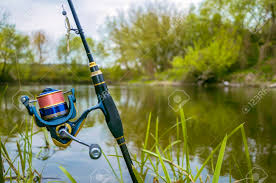
Spinning rods are ideal for beginners and anglers who prefer light tackle applications such as fishing for trout, panfish, or finesse bass techniques using soft plastics and lighter lines. Spinning gear and spinning setups are especially recommended for novice anglers due to their ease of use, versatility, and reduced risk of tangles. Beginners typically experience fewer backlash problems with spinning gear compared to casting gear. Spinning rods are also recommended for techniques like drop-shotting, using small crankbaits, or live bait.
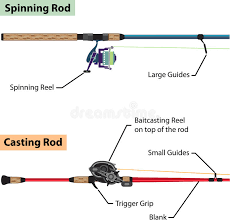
Spinning rods must be paired with spinning reels. The reel seat and guides are positioned below the rod blank, allowing the line to flow freely off the spool during the cast, which aids in line control and reduces tangles, especially at longer distances and during extended fishing sessions.
Casting rods, by contrast, are paired with baitcasting reels. The reel seat and guides sit on top of the rod blank, which provides superior control, power, and accuracy. This setup is preferred by experienced anglers targeting larger species such as bass, pike, or saltwater fish.
The reel seat and guide configuration directly influence casting style, lure control, and overall fishing performance.
Key Differences
One of the primary differences between spinning and casting rods is reel mounting design. Spinning rods position the reel underneath the rod, while casting rods mount the reel on top.
This design difference affects casting distance, accuracy, and control. Spinning rods perform exceptionally well in windy conditions and when throwing lightweight lures. Casting rods perform best in calm conditions where precision lure placement is required.
Guide size also differs. Spinning rods use larger guides to reduce friction as line uncoils from the reel. Casting rods use smaller guides to keep the line aligned and controlled throughout the cast.
Rod blanks and materials may vary as well. Spinning rods are often built lighter for sensitivity, while casting rods are typically constructed for added backbone and durability.
Casting Rods
Casting rods, also known as baitcasting rods, are designed for accuracy and power fishing. They are ideal for targeting larger species such as bass, pike, catfish, striped bass, salmon, and other strong freshwater or saltwater fish. Casting rod pros include their suitability for precision casting, increased power, and the ability to handle larger fish effectively.
These rods allow anglers to place lures precisely around heavy cover such as docks, weeds, and submerged timber. Casting reels are paired with casting rods and are essential for achieving better accuracy and control, especially for precision casting techniques. Casting rods can achieve up to 40% better accuracy in lure placement compared to spinning rods. However, there is a risk of backlash, which can cause tangles known as ‘bird’s nests,’ particularly for beginners. Casting rods and reels are especially advantageous when fishing from a boat, where precision casting and bait placement are critical.
They also excel when using heavier baits, jigs, and techniques that require strong hook sets, making the use of durable and strong hooks important when targeting large species.
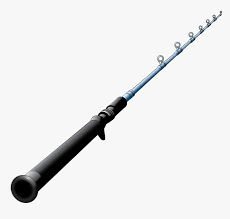
Long casting rods with straight handles are commonly used for power fishing, trolling, or surf casting applications.
However, casting rods require more skill to operate properly. Beginners may experience backlash and need practice to master casting technique. Casting rods require more practice to master than spinning rods, often taking 2-3 months of regular use.
Common casting rod options include:
- G Loomis E6X 782C casting rod
- Entsport E Series two-piece graphite casting rod
- Okuma Citrix lightweight travel rod
- Abu Garcia Vengeance casting rod
- Noeby baitcasting rod
- Lew’s Custom Lite baitcasting rod
Spinning Reel Compatibility
Spinning reels are designed exclusively for spinning rods and are not compatible with casting rods. The spool on spinning reels allows line to flow smoothly off during casting, which helps reduce tangles and improves line control compared to casting reels.
Using a spinning reel on a casting rod can reduce casting distance, limit accuracy, and potentially damage the rod or guides. Likewise, placing a baitcasting reel on a spinning rod compromises balance and performance.
Matching the correct reel to the correct rod type is essential for optimal fishing efficiency, smooth casting, and long-term equipment durability.
Fishing Rod Components
When it comes to choosing between a spinning rod and a casting rod, understanding the components of each is crucial. A fishing rod is made up of several key parts, including the rod blank, guides, reel seat, and handle. The rod blank forms the backbone of the rod, and its material and construction play a major role in determining the rod’s power, sensitivity, and action. This is where the difference between spinning and casting rods begins to take shape.
Guides are the rings that run along the length of the rod, directing the line from the reel to the tip. In spinning rods, these guides are larger and more widely spaced to accommodate the way line spirals off spinning reels. This design reduces friction and allows for smoother, longer casts with light lures, making spinning rods excel in finesse techniques and light tackle applications. The reel seat on spinning rods is positioned below the rod blank, creating a balanced setup that is forgiving and easy to use—ideal for beginners and experienced anglers alike.
Casting rods, on the other hand, feature a reel seat mounted on top of the rod blank, with smaller, closely spaced guides that keep the line in direct alignment with the casting reel. This setup provides better control and enables precise lure placement, which is essential for power fishing and targeting big fish in heavy cover. Casting gear is built to handle heavier lines and lures, giving anglers the strength and durability needed for fighting larger species and making accurate casts around obstacles.
The handle, often made from cork or EVA foam, is another important component that affects comfort and grip during long fishing sessions. The shape and length of the handle can influence casting technique and control, especially when using different rod types for specific fishing styles.
By understanding the key differences in rod components—such as the placement of the reel seat, the size and arrangement of guides, and the construction of the rod blank—anglers can make informed choices about which rod best suits their fishing style, target species, and preferred techniques. Whether you’re casting for trout with lightweight lures or power fishing for pike with heavier lines, selecting the right rod and setup can make all the difference in your fishing success. For many anglers, knowing these details is the first step toward building a versatile and effective collection of spinning and casting rods tailored to any fishing situation.
Rod Pros and Cons
Spinning rods offer several advantages including ease of use, versatility, and affordability. They are generally better for beginners due to their ease of use and reduced line management issues, making spinning gear a top choice for novice anglers. Spinning rods are ideal for beginners and excel when fishing with light lures, finesse presentations, and lighter line setups. They also perform exceptionally well in finesse fishing techniques, such as drop shot fishing and Carolina rigging, and are advantageous for techniques like skipping lures under low cover.
Their downside is reduced power and slightly less casting precision when compared to casting rods in heavy cover situations.
Casting rods provide superior accuracy, lure control, and power. They allow anglers to handle heavier baits and larger fish with confidence, but they require more practice and experience to use effectively.
Choosing between spinning and casting rods depends on fishing style, species targeted, and comfort level. Intermediate anglers should consider adding casting gear after gaining experience with spinning gear.
Choosing the Right Rod
Selecting the right rod depends on fishing technique, target species, and how frequently certain methods are used. The best choice of rod comes from matching the rod type to the bait, fishing situation, and the angler’s experience level.
Anglers should consider rod length, power, action, material, and handle design before purchasing. Choosing a rod that matches typical fishing conditions will significantly improve performance and enjoyment.
Many anglers eventually carry both spinning and casting setups to handle different situations effectively.
Fishing Style and Rod Selection
Fishing style plays a major role in rod selection. Spinning rods are best suited for finesse fishing, light lines, and subtle lure presentations. Spinning gear is often recommended for beginners due to its ease of use and versatility, making it ideal for developing foundational fishing skills.
Casting rods are ideal for power fishing, heavy lures, strong hook sets, and fishing in thick cover. Casting equipment is typically preferred by more experienced anglers for advanced techniques and targeting specific species, and is an important part of a comprehensive fishing setup.
Spinning rods perform better in windy environments, while casting rods excel in calm conditions where accuracy is critical.
Understanding your most common fishing scenarios makes rod selection easier and more effective.
Casting Distance and Technique
Casting distance and technique vary by rod type. Spinning rods excel at long-distance casting with light lures, while casting rods shine when accuracy and controlled placement matter most. The bend (flexibility) of the rod plays a key role in casting performance—greater bend can help launch lures farther, but may reduce accuracy, while stiffer rods offer more precise control.
Lure weight, line type, and rod action all influence casting performance. Lighter lures cast farther with spinning rods, while heavier lures perform better on casting rods. However, line control becomes more challenging at longer distances, especially with spinning rods, which can affect both accuracy and line management during extended fishing sessions.
Practicing proper casting technique improves efficiency regardless of rod type and increases overall success on the water.
Rod Maintenance and Care
Proper rod maintenance extends equipment life and ensures consistent performance.
Rods should be cleaned regularly, especially after saltwater use. Guides should be inspected for cracks or wear that can damage the fishing line.
Store rods in dry environments away from extreme heat or moisture to prevent blank and handle degradation.
Good maintenance keeps rods performing reliably season after season.
Conclusion
The choice between spinning and casting rods depends on fishing technique, experience level, and target species.
Spinning rods provide versatility, ease of use, and finesse performance. Casting rods deliver power, accuracy, and control for heavier applications.
Both rod types can be made from similar materials, offer comparable actions and powers, and fall within similar price ranges.
For many anglers, owning both setups is ideal, allowing adaptability to changing conditions and fish behavior. The most important factor is choosing gear that fits your fishing style and gets you confidently out on the water.