
Home › Fishing Reports
Updated weekly
RI Fishing Report: What’s Biting in Rhode Island
The RI fishing report hub for Rhode Island anglers: the latest weekly report up top, then everything by area and species. Narragansett Bay, Newport, Block Island, Point Judith, South County and the Cape.
This week
This Week’s RI Fishing Report
The newest weekly report is always first. Each one includes a what’s-biting table, conditions, tides and named sources.
- Flukes Fishing: Rigs, Baits, and Tackle Guide
 Quick Overview This guide is for anglers of all skill levels looking to improve their fluke fishing success. Fluke (summer flounder) are… Read more: Flukes Fishing: Rigs, Baits, and Tackle Guide
By location
Fishing Reports by Area
Pick a hub for spots, species by season, shore access and launches, plus every report tagged to that water.
Narragansett Bay
Rocks, bridges, reefs and protected water when the ocean is blown out. Stripers, tog, scup and squid.
Newport
Ocean Drive, Brenton Point and Fort Adams. Rocky shoreline, deep water close to shore, and the charter fleet.
Block Island
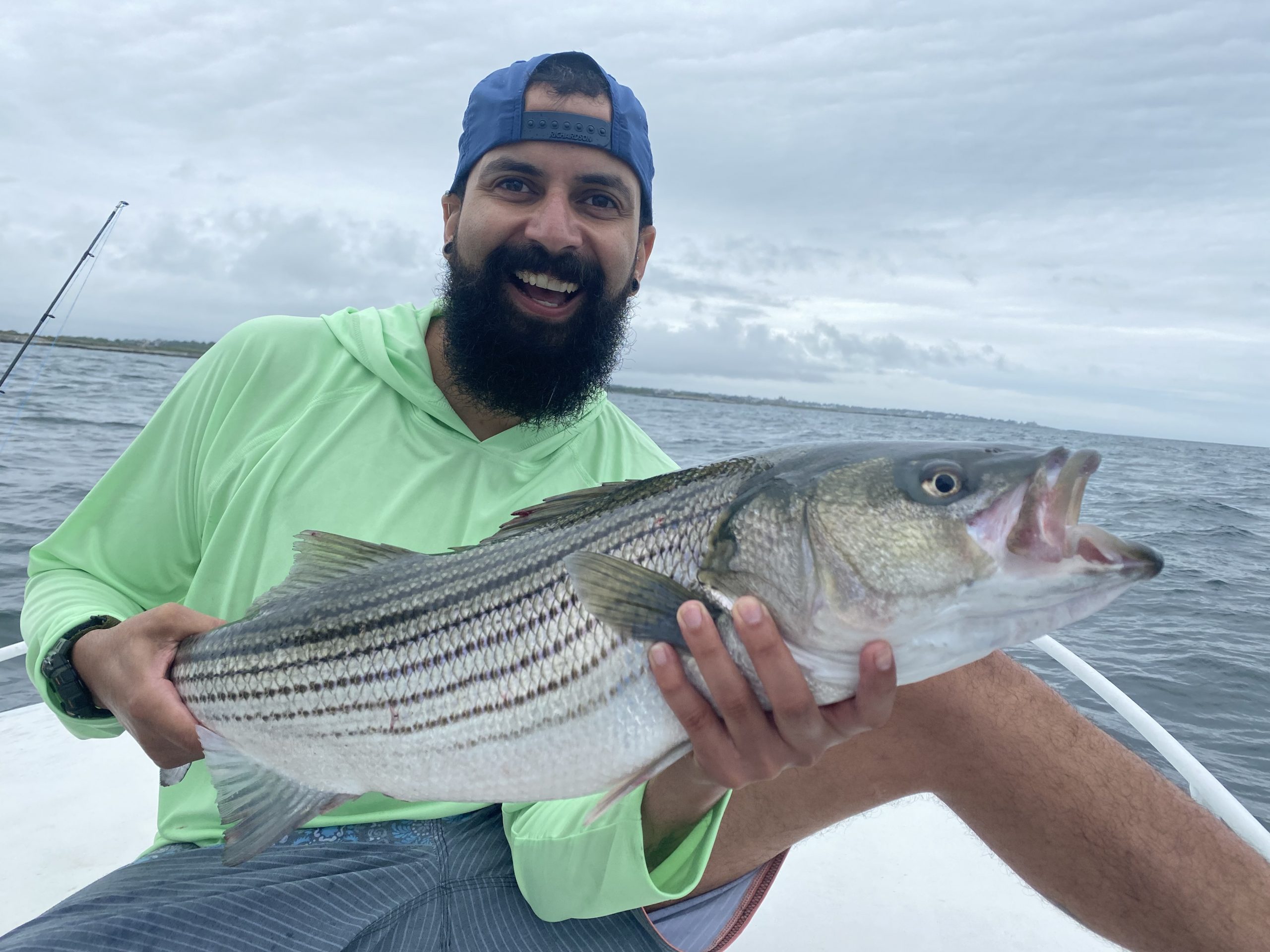
Stripers from the beach, rips around the island, and the ocean grounds offshore.
Point Judith
Galilee, the Harbor of Refuge walls, party boats and the jumping-off point for Block Island Sound.
South County
Breachways, salt ponds and surf beaches from Narragansett to Watch Hill.
Cape Cod
The Canal, Buzzards Bay and Cape Cod Bay. The road trip every RI angler makes.
Season by season
What Bites When in Rhode Island
| Season | Main saltwater targets in RI (general pattern) |
|---|---|
| Spring (April–May) | Tautog open the season; first striped bass push into the bay and rivers; squid show up. |
| Early summer (June) | Striped bass on bait and topwater, fluke on the drift, scup and black sea bass on structure; first offshore windows. |
| Summer (July–August) | Fluke, sea bass and scup in numbers; stripers at night and early; tuna, sharks and mahi offshore when water allows. |
| Fall (September–November) | False albacore and bonito blitzes, the fall striper run, and the best tautog fishing of the year. |
| Winter (December–March) | Holdover stripers in rivers and salt ponds; deep-water tog until it closes; freshwater trout fishing. |
How to Read Our Reports
- What’s biting table: species, status, best areas and baits for the week.
- Conditions: water temperature, wind and tides from NOAA and the National Weather Service, summarized on our tides & weather page.
- Sources: the captain, shop or reader behind each report, by name.
- Regs reminder: a link to the current RI fishing regulations every week.
By species
Species Guides
Want a Captain to Put You On Them?
Our recommended Newport RI fishing charters run inshore, nearshore and offshore trips all season.
Read the Latest RI Fishing Report
New report every week in season: what’s biting, where, and on what. Caught something? Send it in.
Rhode Island Fishing Report FAQ
How often is the Rhode Island fishing report updated?
Every week during the saltwater season, usually by Monday, with extra updates when something big is happening. Off-season updates follow the late tautog, holdover striper and freshwater action.
Which areas does the RI fishing report cover?
Narragansett Bay, Newport, Block Island, Point Judith and the South County shoreline, plus a Cape Cod section for anglers who make the drive.
Where do your fishing reports come from?
From local charter captains, tackle shops and readers who submit their catches. Each report names its sources so you know who is on the water.
Do I need a license to fish in Rhode Island saltwater?
Most anglers need a Rhode Island recreational saltwater license, with some exemptions, including anglers fishing aboard licensed charter and party boats. Check RI DEM for current rules.
How do I submit my own fishing report?
Use the Submit a Report form with your date, area, species, bait or lure and a photo. We review and publish the useful ones with credit.
Where do I find the latest RI fishing report?
Right here: the newest weekly report is always pinned at the top of this page, and each area hub lists the latest reports for that water.